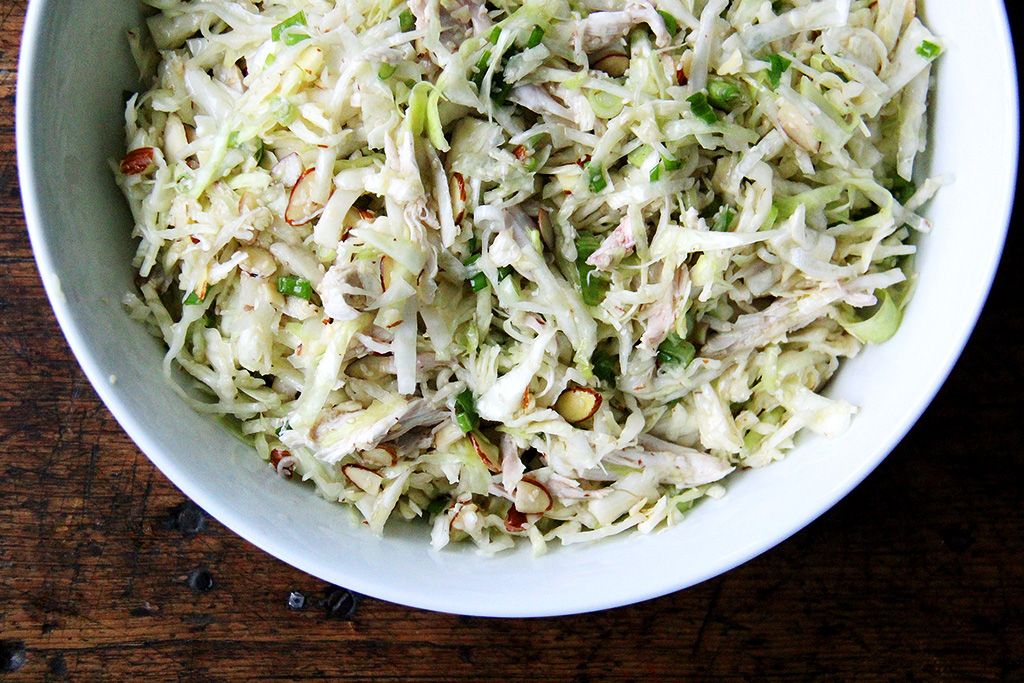
Tender Cabbage Salad: Poached Chicken & Salting Secrets Unveiled
Imagine a salad that defies expectations – one that's both light and incredibly satisfying, vibrant with fresh flavors, and boasts textures ranging from crisp to melt-in-your-mouth tender. This isn't just any salad; it's a culinary masterpiece centered around perfectly poached chicken and ingeniously prepared cabbage. Inspired by beloved deli favorites, this exquisite
chicken cabbage salad with sesame seeds, scallions, and almonds isn't just a side dish; it's a complete culinary experience designed to delight your palate and leave you feeling nourished. We're about to dive deep into the secrets that elevate this simple concept into an extraordinary meal, focusing on the art of poaching and a game-changing cabbage salting technique.
The Art of Poaching: Achieving Tender Chicken Every Time
The star protein of our
chicken cabbage salad with sesame seeds, scallions, and almonds is undeniably the perfectly poached chicken. Poaching is a gentle cooking method that yields incredibly moist, succulent, and evenly cooked chicken, far superior to boiling or roasting for a salad of this type. It's a healthy preparation that locks in flavor and moisture, making the chicken effortlessly shreddable and a joy to eat.
For this recipe, starting with a whole chicken (around 3 lbs) provides not only tender meat but also the foundation for a flavorful homemade stock – a wonderful bonus! The process is deceptively simple:
1.
Prepare the Chicken: Ensure your whole chicken is clean. You can truss it lightly if you wish, though it’s not strictly necessary.
2.
Season the Water: Place the chicken in a large pot and cover it with cold water by about an inch or two. Crucially, add a generous amount of salt – about 2 tablespoons plus 1 teaspoon of kosher salt, as referenced in our foundational recipe. This seasons the chicken from within, making it flavorful throughout. You can also add aromatics like a bay leaf, peppercorns, or half an onion for extra depth, though the core recipe doesn't explicitly call for it.
3.
Gentle Poaching: Bring the water to a boil over medium-high heat. As soon as it reaches a rolling boil, immediately reduce the heat to its lowest setting, ensuring the water barely simmers. Cover the pot tightly.
4.
The Resting Phase: Turn off the heat completely. Let the chicken gently poach in the hot water, covered, for approximately 30-40 minutes for a 3lb chicken. The residual heat will continue to cook the chicken without overcooking it, resulting in unparalleled tenderness.
5.
Cool and Shred: Carefully remove the chicken from the pot and let it cool slightly on a cutting board until it's comfortable to handle. Once cooled, remove the skin and bones, and shred the meat into bite-sized pieces using two forks or your fingers.
Pro Tip for Chicken Pieces: If you're short on time or prefer using boneless, skinless chicken breasts or thighs, the poaching method is even quicker. Bring a pot of generously salted water to a rolling boil. Add your chicken pieces (about 2-3 boneless, skinless breasts or legs), immediately turn off the heat, cover the pot, remove it from the heat source, and let it stand for 15 minutes. The latent heat will perfectly cook the chicken. Remove, cool briefly, and shred.
Don't Discard the Liquid! The poaching liquid, infused with chicken flavor and seasoned with salt, is a treasure. If you used a whole chicken, return the carcass, bones, and skin to the pot with the liquid. Simmer for 2.5 to 3 hours, or until the broth develops a rich, satisfying taste. Strain, and you'll have a delicious, homemade chicken stock for future culinary adventures.
The Secret to Crisp-Tender Cabbage: Mastering the Salting Technique
The true magic behind the tender texture of this
chicken cabbage salad with sesame seeds, scallions, and almonds lies in a simple yet revolutionary technique: salting the cabbage. This method, inspired by the renowned Slanted Door cookbook, transforms ordinary cabbage into something extraordinary. It's a game-changer that we highly recommend you adopt for any cabbage-based salad.
Why salt the cabbage?
*
Relaxes & Tenderizes: The salt draws out excess moisture from the cabbage, causing its sturdy cell walls to relax. This results in a softer, more pliable, and easier-to-eat texture without sacrificing its fresh crunch.
*
Enhances Dressing Absorption: By releasing some of its internal liquid, the cabbage becomes like a sponge, ready to soak up every drop of that luscious sesame-ginger dressing. This means deeper flavor in every bite.
*
Prevents Watery Salad: The released liquid would otherwise dilute your dressing and make your salad soggy over time. Salting prevents this, ensuring a vibrant, flavorful salad that holds up beautifully.
Here’s how to master this essential technique:
1.
Shred the Cabbage: Take one head of cabbage (about 2.5 lbs). Quarter it, remove the core, and then thinly slice or shred it. A mandoline slicer makes this task quick and uniform, but a sharp chef's knife works perfectly well. Aim for thin, delicate strands.
2.
Salt Liberally: Place the shredded cabbage in a large bowl. Sprinkle 1 teaspoon of kosher salt evenly over the cabbage.
3.
Massage & Rest: Using clean hands, gently massage the salt into the cabbage for about 1-2 minutes. You'll feel it start to soften almost immediately. Let the cabbage sit at room temperature for 30 minutes. You'll notice a significant amount of liquid collecting at the bottom of the bowl.
4.
Rinse Thoroughly: Transfer the salted cabbage to a colander and rinse it under cold running water. This step is crucial to remove any residual saltiness and prevent your salad from becoming oversalted.
5.
Dry, Dry, Dry: This is arguably the most important step after rinsing. Squeeze out as much water as possible by hand. Then, transfer the cabbage to a salad spinner and spin it until it's very dry. If you don't have a salad spinner, spread the cabbage out on a clean kitchen towel and gently pat it dry. Excess water will dilute your dressing, so ensure it's as dry as possible.
Once your cabbage is prepped this way, it's ready to absorb all the delicious flavors of the dressing and mingle beautifully with the other ingredients.
Crafting the Perfect Dressing: A Symphony of Flavors
A remarkable dressing is the unifying force that binds every element of our
chicken cabbage salad with sesame seeds, scallions, and almonds together. This particular dressing strikes a harmonious balance between sweet, sour, savory, and umami, enhancing rather than overpowering the fresh ingredients.
Here’s a breakdown of the key components and their roles:
*
White Balsamic Vinegar (1/4 cup): Unlike traditional dark balsamic, white balsamic offers a lighter, cleaner tang without altering the color of the salad. It provides the essential acidic brightness.
*
Neutral Oil (1/2 cup): Canola or grapeseed oil are perfect choices. Their neutral flavor allows the other ingredients to shine through, while providing the necessary fat for a rich mouthfeel and to help emulsify the dressing. Avoid strong-flavored oils like olive oil, which can clash with the Asian-inspired profile.
*
Sesame Oil (2 tablespoons): This is where the magic happens! Toasted sesame oil brings an intensely aromatic, nutty, and distinctly Asian-inspired flavor profile that is absolutely essential for this salad. Use good quality sesame oil for the best results.
*
Fresh Lemon Juice (1 tablespoon): A squeeze of fresh lemon juice adds another layer of bright acidity, cutting through the richness and elevating the overall freshness.
*
Sugar (2 teaspoons): A touch of sugar balances the acidity from the vinegar and lemon, creating a well-rounded flavor that prevents the dressing from being too sharp.
*
Salt: While the core recipe implies the salt is solely for the chicken and cabbage, a pinch of salt to taste can often be added to the dressing itself to further enhance flavors. Always taste and adjust!
Assembly Tips for the Dressing:
Combine all dressing ingredients in a jar with a tight-fitting lid or in a small bowl. Shake vigorously or whisk well until everything is thoroughly combined and slightly emulsified. Taste and adjust for sweetness, tanginess, and salt if needed.
Toasted Accents: Don't forget the textural and flavor contributions of the almonds and sesame seeds!
*
Sliced Almonds (1 cup): Lightly toast your sliced almonds in a dry skillet over medium heat for 3-5 minutes, shaking frequently, until golden brown and fragrant. This dramatically intensifies their nutty flavor and crispness.
*
Sesame Seeds (1/3 cup): Similarly, toast the sesame seeds in a dry skillet until they are fragrant and lightly golden. This step is often overlooked but truly makes a difference in flavor depth.
Bringing It All Together: Assembly, Serving & Beyond
Once your tender chicken and perfectly prepped cabbage are ready, assembling your glorious
chicken cabbage salad with sesame seeds, scallions, and almonds is a breeze.
1.
Combine Large Bowl: In a very large mixing bowl, combine the shredded poached chicken, the dried salted cabbage, and the thinly sliced scallions (6 scallions).
2.
Dress Generously: Pour the prepared dressing over the salad ingredients. Toss gently but thoroughly to ensure every shred of cabbage and piece of chicken is coated.
3.
Add Toasted Goodness: Fold in the toasted sliced almonds and toasted sesame seeds. This is best done just before serving to maintain their crunch.
4.
Taste and Adjust: Give the salad a final taste test. Does it need a little more lemon? A touch more salt or sugar? Adjust according to your preference.
Serving Suggestions:
This salad is robust enough to be a standalone meal, offering a perfect balance of protein, vegetables, and healthy fats. It also makes an excellent side dish for grilled fish, tofu, or other light proteins. For an extra pop of color and flavor, consider adding finely shredded carrots, thinly sliced bell peppers, or fresh cilantro. A sprinkle of red pepper flakes can add a subtle kick if you enjoy a touch of heat.
Meal Prep Powerhouse:
One of the fantastic attributes of this salad, especially with the chicken component, is its suitability for meal prep. The reference context notes that the chicken helps it last longer, making it an ideal candidate for healthy lunches throughout the week. The dressing, particularly because of the salted cabbage, won't make the salad overly soggy quickly. Store it in an airtight container in the refrigerator for up to 3-4 days.
For more inspiring make-ahead meals, explore articles like
Sumi Salad Inspired: Make Ahead Chicken Cabbage Meal. If you're looking for more variations on this delightful dish, you might also enjoy our take on
Flavorful Chicken & Cabbage Salad with Sesame Almonds.
Conclusion
This isn't just a recipe; it's an education in making a truly remarkable salad. By understanding the nuances of poaching chicken for ultimate tenderness and employing the transformative salting technique for cabbage, you unlock a depth of flavor and texture rarely found in everyday salads. The bright, umami-rich dressing, coupled with the satisfying crunch of toasted almonds and sesame seeds, elevates every bite into a culinary delight. Embrace the secrets of poaching and salting, and you'll unlock a truly extraordinary
chicken cabbage salad with sesame seeds, scallions, and almonds that will undoubtedly become a staple in your kitchen and a favorite among your family and friends.